HR KPIs: measuring success properly
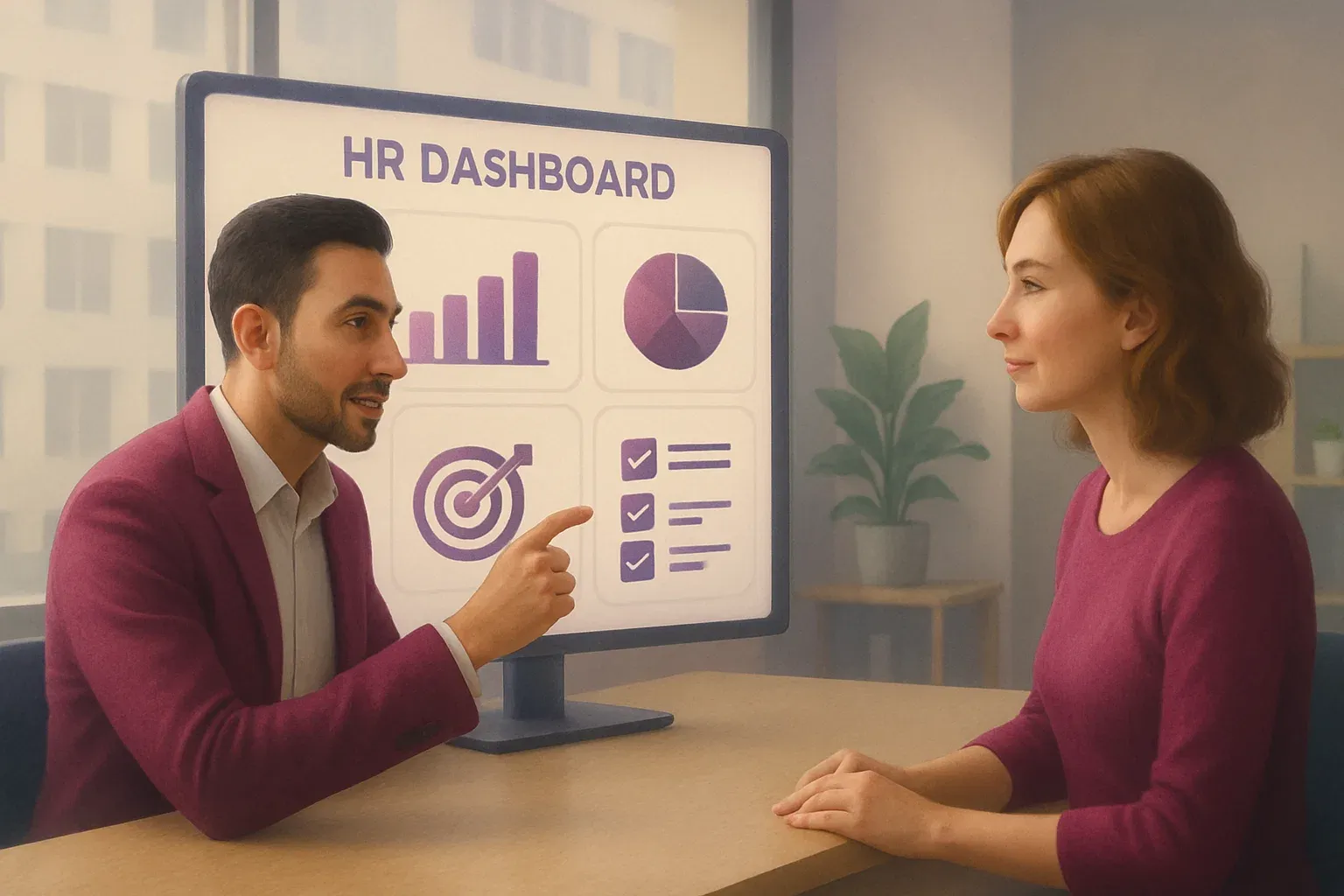
Do you know the feeling of tackling the same issues in people management again and again, without knowing whether your measures actually work? This is where KPIs come in: key performance indicators that show you where you stand and where you want to go.
Instead of deciding on gut feeling, you rely on hard facts: turnover rates, time to hire, employee satisfaction and much more.
A word of caution, though: not every figure is meaningful, and not every company needs the same ones. This article looks at which HR KPIs really matter and how to use them well. You’ll find practical tips for running people management on data, and what the figures tell you about the pulse of your company.
Which KPIs are right for you?
So you don’t drown in a flood of figures, start with what really moves your company forward. Ask yourself: “What are my goals in HR?” Do you want faster recruitment, more motivated employees or fewer absences? Then choose the KPIs that reflect exactly these goals, and leave everything else out for now. Be as specific as you can and define how success will be measured, for example by time to hire or the turnover rate. Only when you know exactly what you want to measure can you take the right measures and improve for the long term.
The key HR KPIs: which figures really count
Once you have decided which goals your company pursues in people management, you can express them in concrete figures.
The classic among HR KPIs is the turnover rate. Among other things, it shows management whether people like staying with the company or whether the work culture and benefits need attention. Time to hire also says a lot about how efficient your recruitment is. This matters most to the management team and heads of department, because open positions quickly cost productivity. If you want to look more closely at whether new hires fit the company, add quality of hire. Here the HR team itself is most involved, as it assesses how well new employees fit and often links this figure to development and onboarding.
Another central topic is personnel costs and their share of total revenue. Investors and shareholders want to know whether cost efficiency is high enough while the company still invests enough in its workforce. The same goes for cost per hire, which shows how expensive recruitment is on average. If you want to measure how your employees perform, look at target achievement rates or productivity figures. Managers and team leads use these above all to check whether their teams get enough support or need more resources.
If you want to know how motivated and engaged your team is, look at employee satisfaction, measured for example as an engagement score or employee Net Promoter Score (eNPS). If sick notes pile up, the absence rate becomes important. It also matters for health management and shows when and why employees are absent more often. In this context, many companies also track the rate of further training and courses, because a strong learning culture improves the whole team climate and strengthens employee retention over time.
More and more organisations are also focusing on diversity and inclusion. Figures such as the share of women in leadership or the age structure of the workforce interest not only HR and management, but increasingly customers, business partners and the media, who assess a company’s social commitment. Finally, if you want to know how well positions are filled internally, an internal fill rate can tell you. The higher it is, the better talent development and succession planning work, which investors and the company itself can see as a real sign of stability.
Depending on your industry and the challenges you want to address, you can refine and extend these KPIs as you like. What matters is that you always ask who a figure serves and which stakeholders rely on it. That way, your HR figures don’t stay columns of numbers but become real levers for strategic and cultural improvement.
Conclusion: when figures show how your team works
In the end, KPIs aren’t an end in themselves. They are reliable signposts in people management. They show you where potential lies untapped, where action is urgently needed and how well you are already reaching your goals. Whether turnover, time to hire or employee satisfaction: the right set of figures lets you act on data instead of only reacting.
Remember that figures are only valuable in the right context and when every relevant stakeholder understands them. So explain what a figure means, why you collect it and what concrete benefit you draw from it. Only then can you derive targeted measures and keep improving your people management. Transparency pays off: when successes are visible and problems are spotted early, you can set a lasting HR strategy and make sure your company stands on a solid foundation for long-term growth.